
Last Updated: October 26, 2026
Plan your weekly and monthly grocery spending with our free grocery budget calculator. Get a clear estimate based on your household size, shopping frequency and average costs.

Free & Easy to Use

Personalized Estimates

Save Money & Eat Better
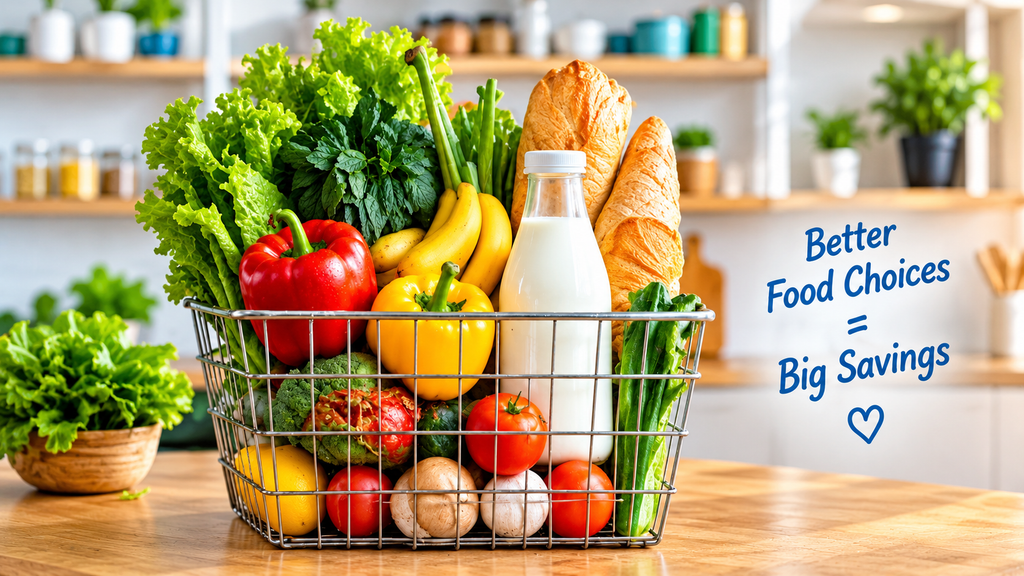
Grocery Budget Calculator
Estimate your weekly, monthly, and annual grocery costs. Enter your household size and shopping habits to plan a realistic food budget.
Your Estimated Grocery Budget
Review your estimated food expenses for different time periods.
Spending Breakdown
Calculation method: Weekly shopping is estimated at 52 trips per year, biweekly shopping at 26 trips per year, and monthly shopping at 12 trips per year. Additional monthly expenses are multiplied by 12. Monthly costs equal annual costs divided by 12, and weekly costs equal annual costs divided by 52. This calculator provides estimates for budgeting purposes only.
What Is a Grocery Budget Calculator?
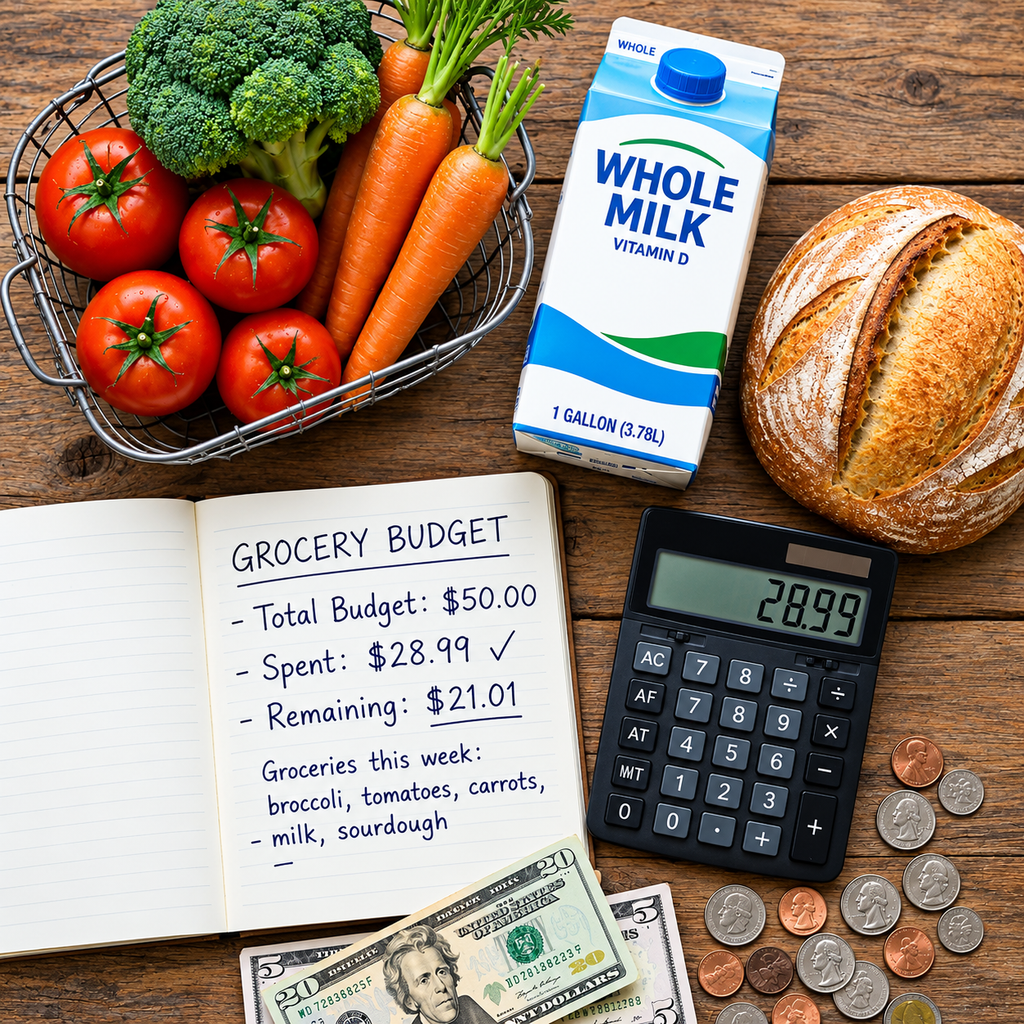
A Grocery Budget Calculator is a budgeting tool that helps you estimate how much money you need to spend on groceries over a specific period. Instead of relying on guesswork, you can use your regular shopping expenses to build a clearer financial plan.
Groceries are an essential household expense, but their cost can vary considerably from one household to another. The number of people in your home, the foods you buy, your location, and how often you shop can all affect your total spending.
Using a grocery budget calculator makes it easier to convert your typical shopping expenses into weekly, monthly, and annual estimates. These figures can help you decide how much of your income to allocate to food.
How to Use the Grocery Budget Calculator
Using the Grocery Budget Calculator is simple. Follow these steps to estimate your food expenses and create a budget that reflects your current shopping habits.
How Much Should You Budget for Groceries?

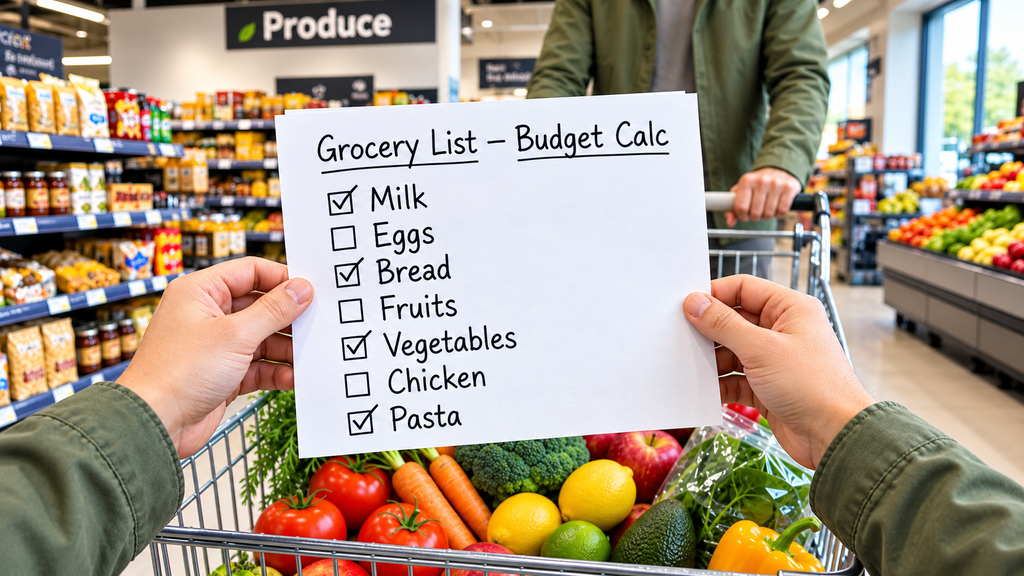
TThere is no single grocery budget that works for every household. You can use our grocery budget calculator to estimate the right amount based on your household size, location, and food preferences.
A useful starting point is to review your current spending and compare it with your household’s financial situation. Your grocery budget should cover essential food needs without making it difficult to pay for housing, utilities, transportation, savings, and other important expenses.
💡 For more information, Visit the USDA Cost of Food Reports.
These reports provide food-cost estimates for different household circumstances and can help you set a realistic grocery budget based on official data.
Example Grocery Budget Calculator Results
Several factors influence how much you spend on groceries. Understanding these factors can help you create a more realistic budget and make better decisions.
✓ Household size – more people usually means higher costs.
✓ Location and food prices – prices vary by city and region.
✓ Food preferences – different diets and food choices have different costs.
✓ Shopping habits – meal planning and lists can reduce waste.
✓ Seasonal changes – holidays and seasonal produce can affect spending.
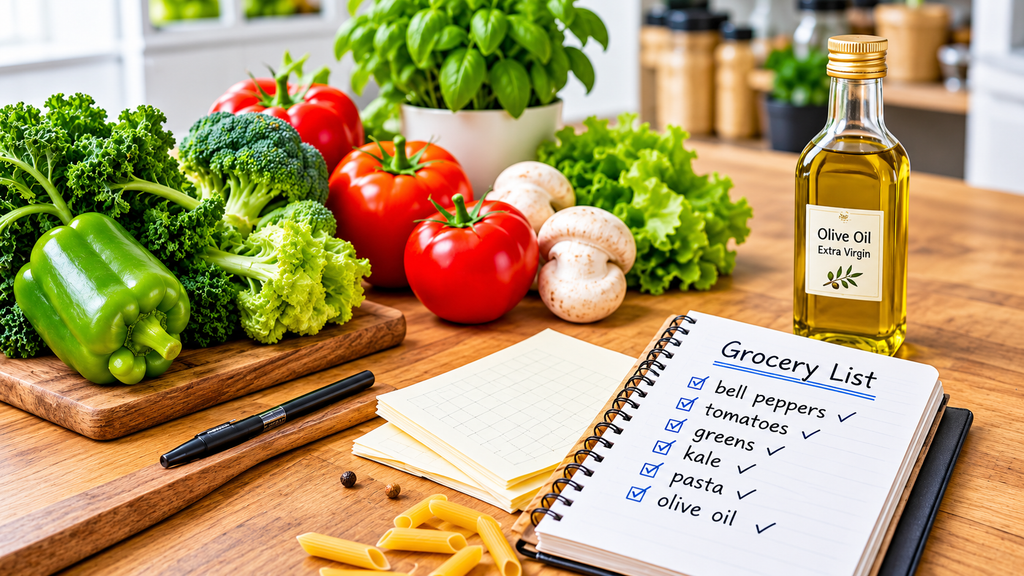
How to Create a Grocery Budget That Works
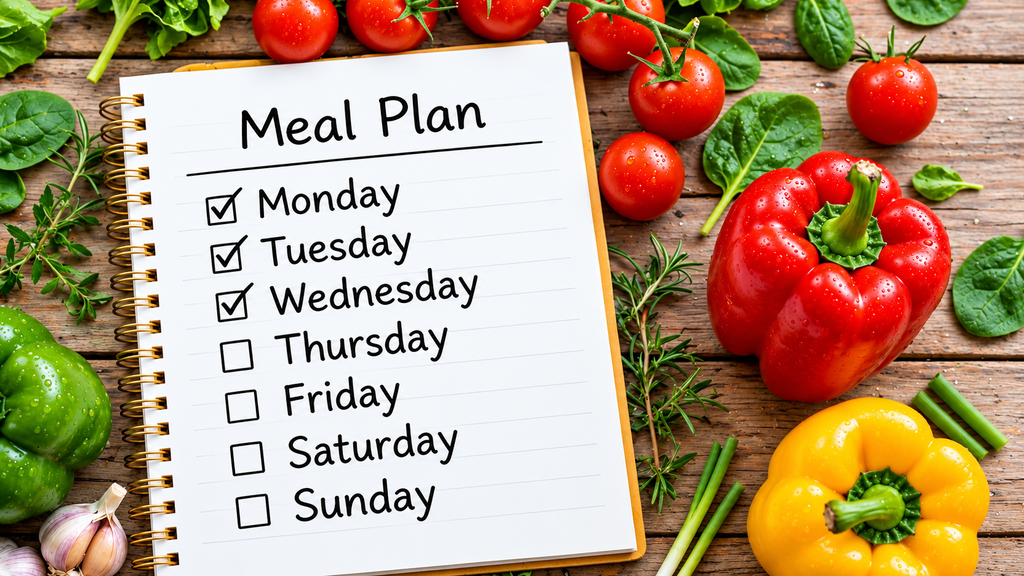
A practical grocery budget starts with your current expenses and improves through consistent planning. You do not need to make major changes immediately. Small adjustments can help you develop a routine that is easier to maintain.
Practical Ways to Save Money on Groceries
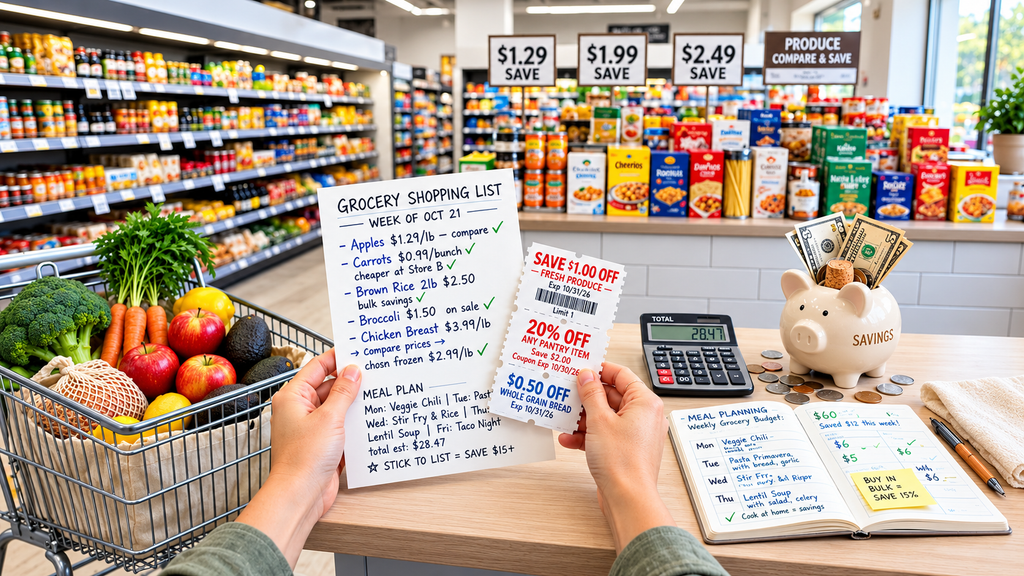
Saving money on groceries starts with smart shopping habits, effective meal planning, and better food management. These practical strategies can help reduce expenses without compromising meal quality.
Common Grocery Budgeting Mistakes to Avoid
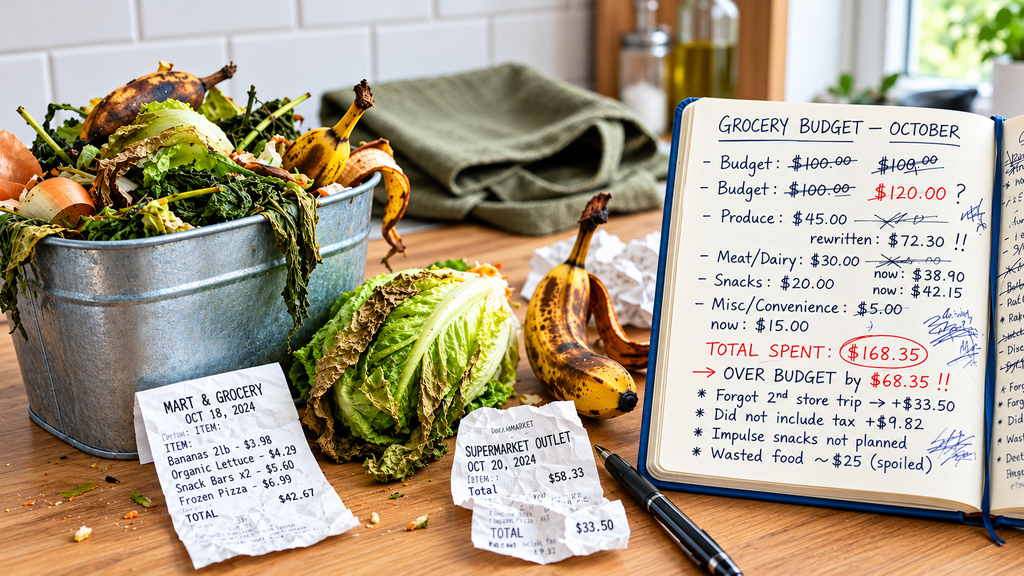
Even a well-planned budget can become inaccurate when important expenses or habits are overlooked.
Avoiding these mistakes can make your grocery budget more accurate and easier to maintain.
How Your Grocery Budget Calculator Fits Into Your Monthly Budget
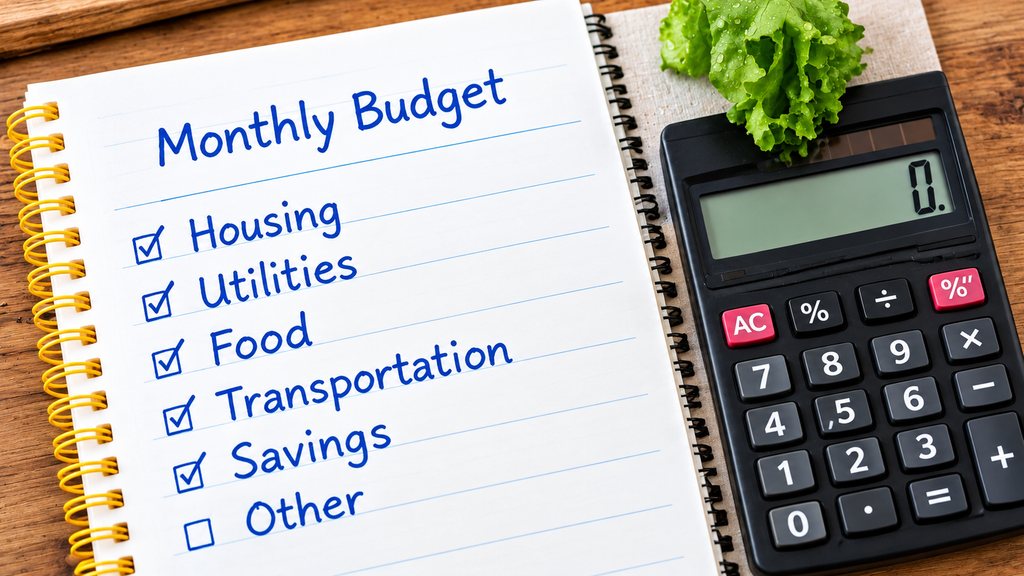
Groceries are an essential part of your monthly expenses. To manage them effectively, consider your food costs alongside housing, utilities, transportation, debt payments, savings, and other essential expenses.
A monthly budget helps you allocate your income across these categories and determine how much you can realistically spend on groceries without compromising your other financial priorities.
If you are creating a budget, our Monthly Budget Calculator can help you organize your income and expenses. The Savings Goal Calculator can also help you estimate the regular contributions needed to reach your financial goals.
Using these tools together provides a clearer overview of your finances and helps ensure that your grocery budget remains aligned with your overall financial plan.
Related Budgeting Guides
Explore these guides to learn more about managing everyday expenses and improving your household budget.
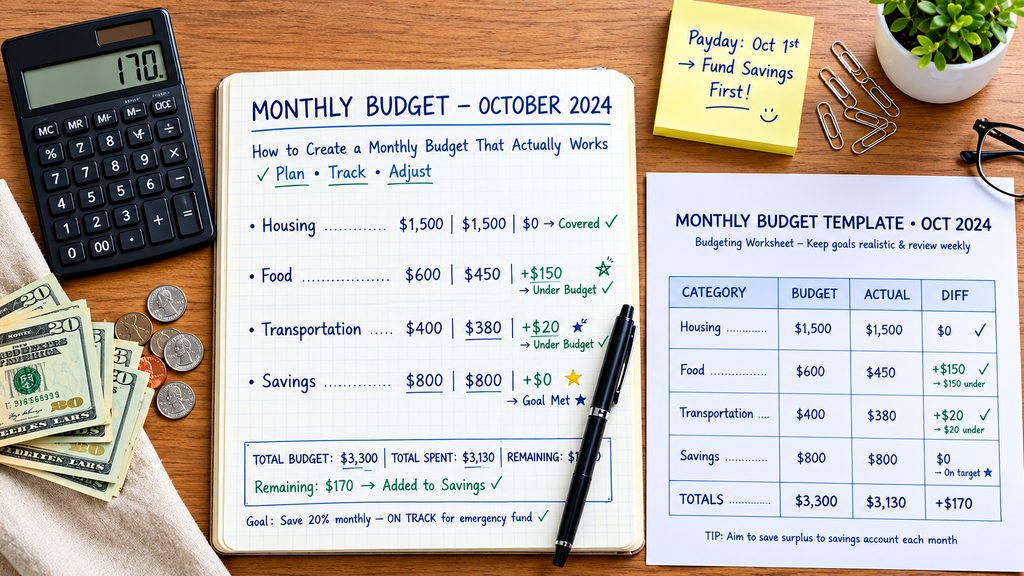
How to Create a Monthly Budget That Actually Works
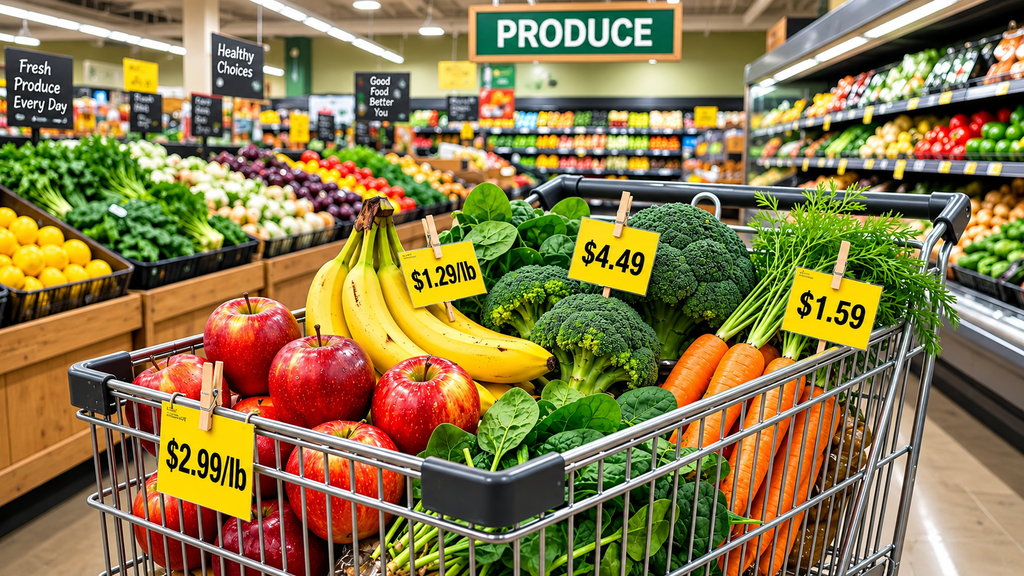
How Much Should You Spend on Groceries Per Month?
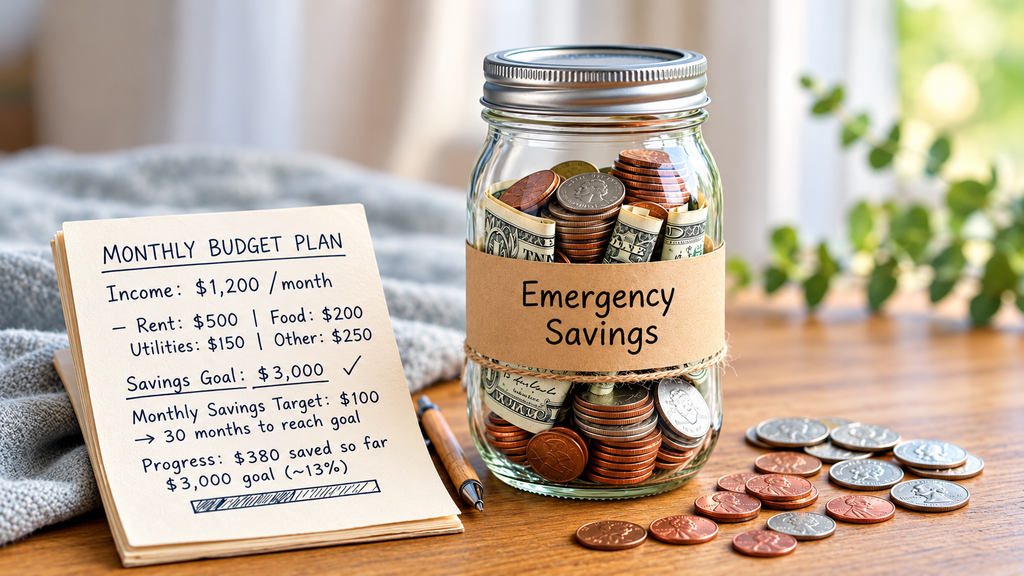
How to Build an Emergency Fund on a Low Income
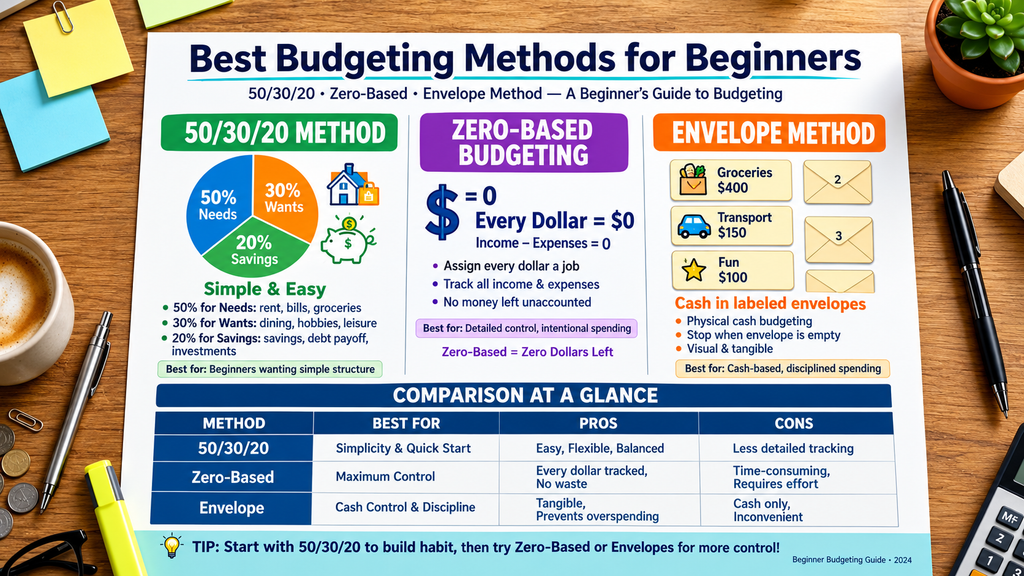
Best Budgeting Methods for Beginners: 50/30/20, Zero-Based, and More
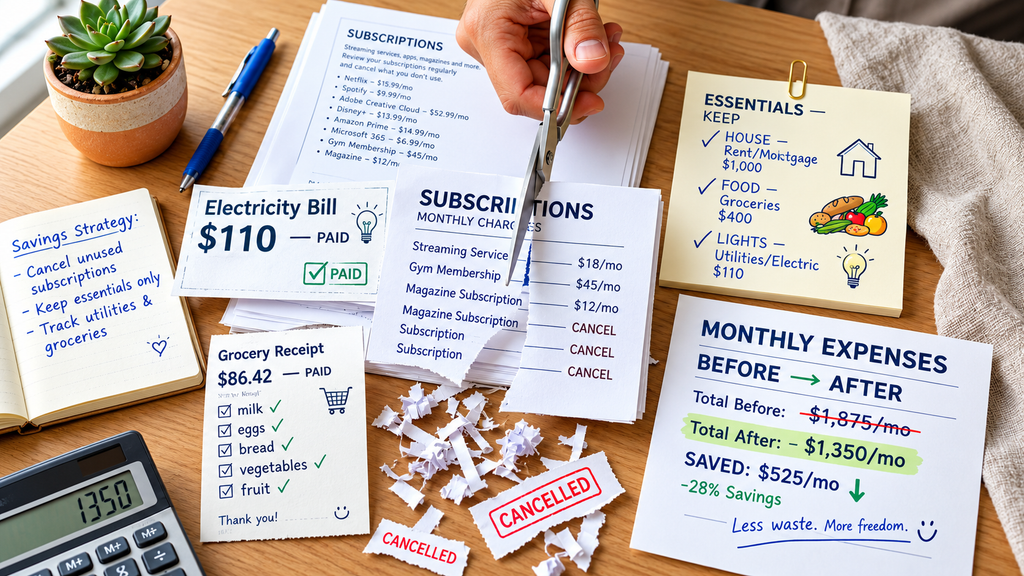
How to Cut Monthly Expenses Without Sacrificing Essentials
Trusted Resources for Food Planning
Reliable information can help you make better decisions about food costs, nutrition, and household spending.
- USDA Food Plans: Cost of Food Reports — Official food-cost estimates that can provide a reference for household food planning.
- MyPlate — Practical nutrition and healthy-eating resources from the U.S. Department of Agriculture.
- Consumer.gov — Consumer information, including guidance on managing money and planning a budget.
Use these resources alongside your own receipts and spending records. Published food-cost estimates may not match your exact household circumstances or local grocery prices.
Frequently Asked Questions
The calculator uses your household size, shopping frequency, average spending per trip, and additional monthly grocery expenses to estimate your weekly, monthly, and annual food costs. It also estimates the monthly cost per person.
The results depend on the information you enter and should be treated as planning estimates rather than guaranteed expenses.
There is no single amount that is right for every family of four. Spending depends on location, food preferences, dietary needs, shopping habits, and current prices.
Review your actual expenses and consult the USDA’s food-cost reports for additional reference information. Then use the calculator to estimate a budget that fits your household.
The calculator is intended primarily for grocery spending. If you track restaurant meals and takeout separately, keep them outside your grocery estimate.
If you want to manage all food expenses together, record those costs in a separate category or add them to your broader monthly budget. Use a consistent method to avoid counting the same expense twice.
Review your grocery budget at least once a month. You may also want to update it when your household size, income, food needs, or local grocery prices change significantly.
Comparing your estimate with actual spending can help you identify patterns and adjust your plan.
Yes. Enter one as your household size and provide your usual grocery spending. The calculator will estimate your total grocery costs and monthly spending per person.
A one-person household may have different shopping patterns, including smaller purchases, food waste considerations, and fewer opportunities to buy larger packages economically.
No. The estimate is based on the amounts you enter rather than live prices from supermarkets. For a more accurate result, use recent receipts and update your average spending when prices or shopping habits change.
Start by planning meals, comparing unit prices, reducing food waste, and choosing affordable ingredients that meet your needs. Frozen fruits and vegetables, seasonal produce, and home-prepared meals may also help you manage costs.
For nutrition guidance, consult MyPlate and choose a food plan that works for your household.
First, review your recent purchases to understand why spending increased. Look for unplanned trips, food waste, price changes, or expenses that were not included in your original estimate.
Then make one or two manageable adjustments. If your current target is too low to cover essential food needs, revise it to a more realistic amount and review other parts of your budget where appropriate.