
Groceries are one of the most important recurring expenses in a household budget. From fresh produce and dairy products to pantry staples and everyday essentials, supermarket purchases can quickly add up. Yet many families are unsure whether their spending is reasonable or whether they could manage it more effectively.
The right budget depends on household size, location, dietary needs, food preferences, and shopping habits. Rather than following an arbitrary limit, start by understanding your current expenses, comparing them with reliable reference data, and choosing a target that fits your financial situation.

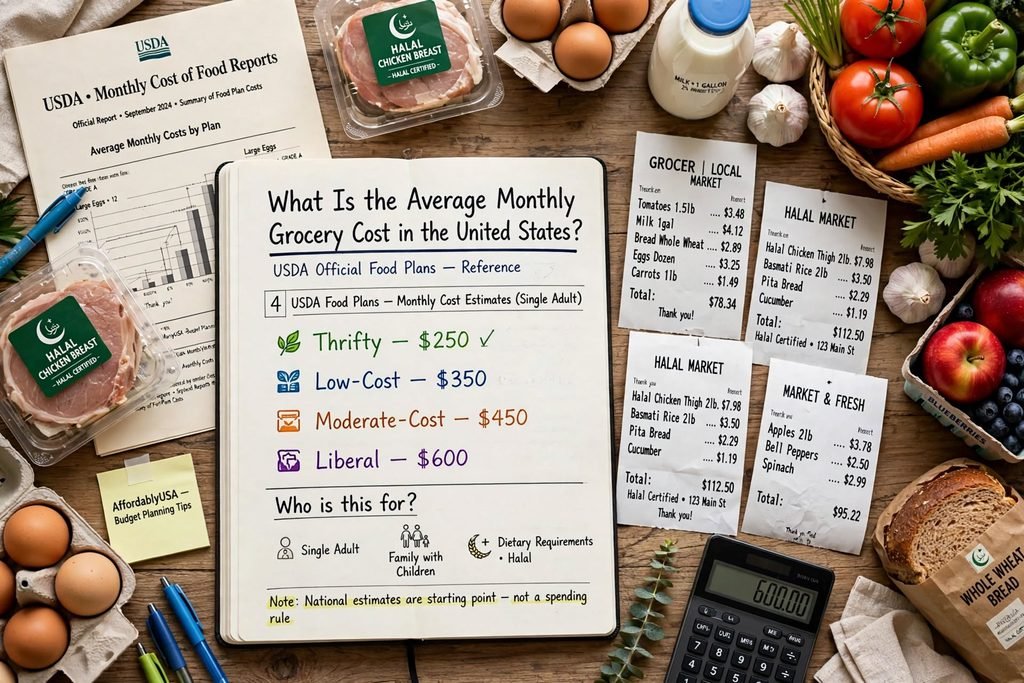
What Is the Average Monthly Grocery Cost in the United States?
Grocery spending varies by household size, food preferences, dietary needs, and location. A single adult who cooks at home may spend considerably less than a family with several children.
The U.S. Department of Agriculture (USDA) publishes monthly food-cost estimates through its Official Food Plans. These plans provide four spending benchmarks: Thrifty, Low-Cost, Moderate-Cost, and Liberal. They offer a useful starting point for understanding food expenses and planning a household budget.
However, these estimates are guidelines rather than fixed spending limits. Actual grocery costs depend on local prices, shopping habits, convenience foods, and food waste. For the latest figures, consult the USDA Monthly Cost of Food Reports.
How Much Should You Spend on Groceries Based on Household Size?
Household size is one of the biggest influences on food expenses. More people generally need more food, but the cost per person does not always increase at the same rate. Families can share ingredients, buy suitable larger packages, and prepare meals for several people at once.
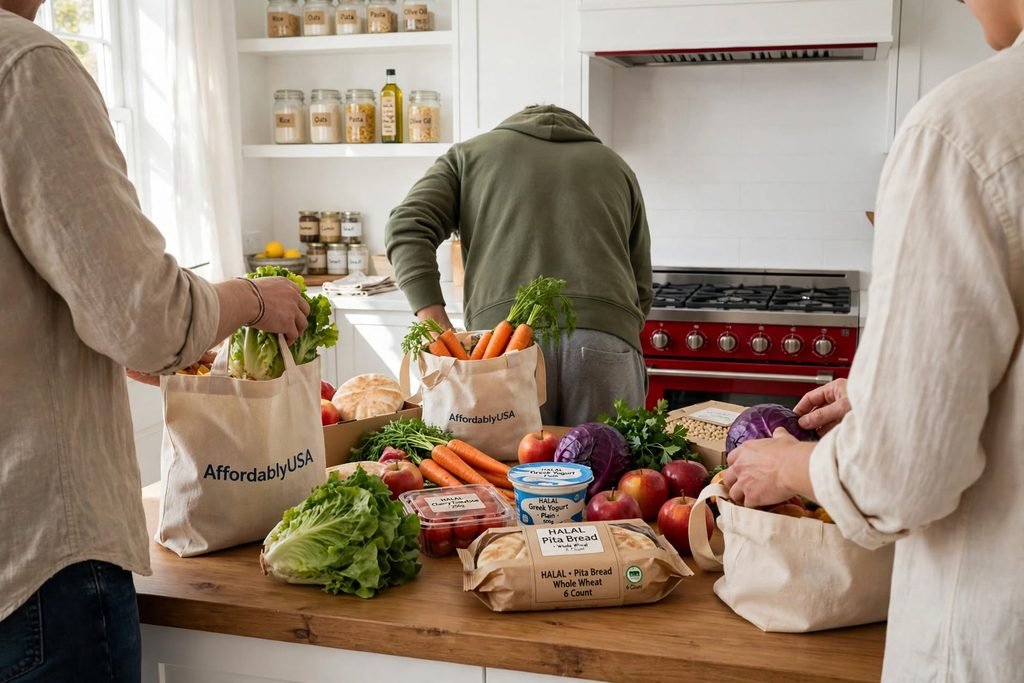
The key is to build your average monthly grocery cost around your household’s actual needs, shopping habits, and budget—not a one-size-fits-all estimate.
What Factors Affect Your Monthly Grocery Bill?
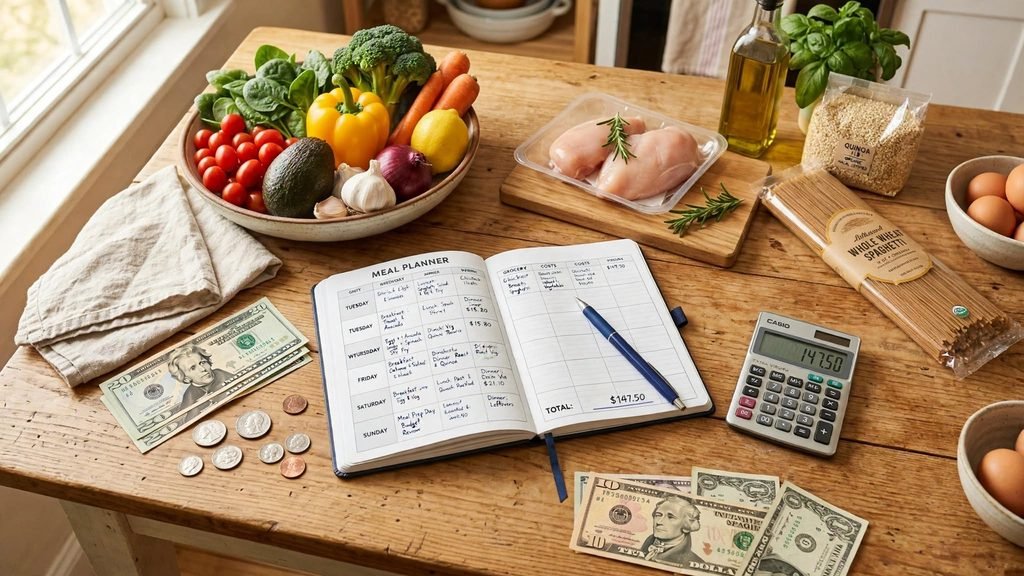
Several factors influence how much you spend on groceries each month. Understanding them can help you set a realistic budget and make better shopping decisions.
1. Where You Live
Grocery prices vary by city, region, and store. Comparing prices and checking the cost per unit can help you identify better value and avoid misleading promotions.
2. Dietary Needs and Food Preferences
Food allergies, dietary requirements, and personal preferences can affect your grocery budget. Compare suitable alternatives and prioritize nutritious foods that meet your household’s needs.
3. Shopping Habits
Frequent shopping trips and unplanned purchases can increase spending. Check your refrigerator, freezer, and pantry before shopping, then use a simple list to buy only what you need.
4. Food Waste
Spoiled produce, forgotten leftovers, and unused ingredients add to your grocery expenses. Planning meals and storing food properly can help reduce waste. The USDA’s MyPlate resources offer practical guidance on meal planning and food choices.
5. Convenience Foods
Ready-made meals, packaged snacks, and pre-cut produce can save time but may cost more per serving than preparing food from basic ingredients. Choose convenient options when they suit your routine, and balance them with simple, home-cooked meals to help manage costs.
How to Calculate Your Average Monthly Grocery Cost
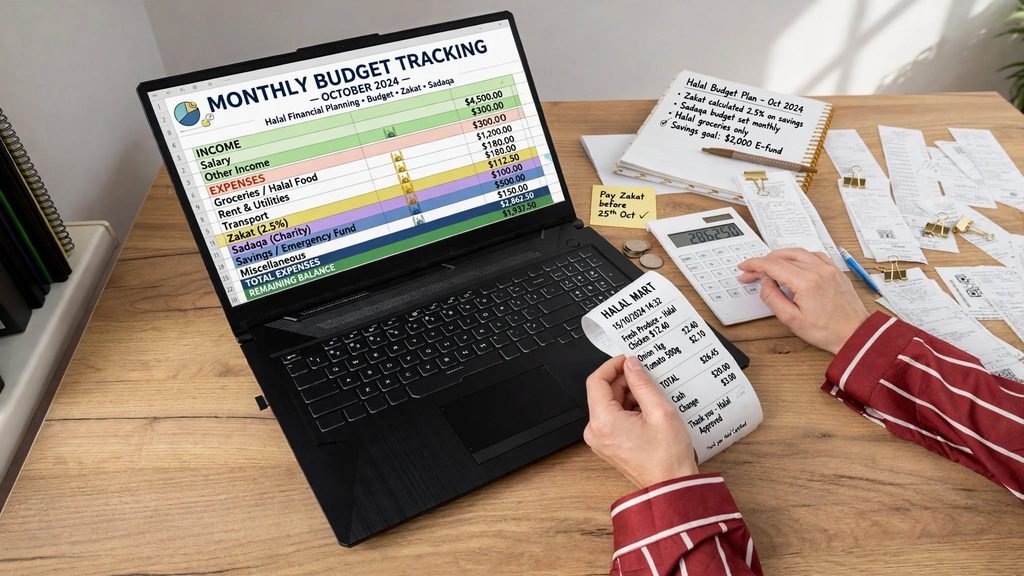
You do not need complicated software to understand your food spending. Recent supermarket receipts and bank transactions can provide a useful starting point.
Step 1: Collect your grocery expenses
Review receipts and bank or card transactions from the last two or three months. Include supermarket trips and smaller grocery purchases. Decide consistently whether household supplies, pet food, restaurant meals, and takeout should be tracked separately.
Step 2: Add your spending
Calculate the total grocery expenses for each month. If you shop at several stores, combine all qualifying purchases rather than checking only one supermarket.
Step 3: Calculate the monthly average
Add the totals for the months you reviewed and divide by the number of months.
| Month | Grocery spending |
|---|---|
| Month 1 | $420 |
| Month 2 | $460 |
| Month 3 | $440 |
| Total | $1,320 |
$1,320 ÷ 3 = $440 per month
This household spent an average of $440 per month during the period reviewed. It is an illustrative example, not a national spending estimate.
Step 4: Choose a realistic target
Use your average as a baseline. If it fits your income and household needs, it may be a reasonable starting target. If you want to spend less, identify specific opportunities before choosing a lower limit.
Step 5: Review your results
Track purchases throughout the month and compare them with your target. Adjust the plan when food prices, household needs, or shopping habits change. The Consumer Financial Protection Bureau offers helpful guidance on assessing your spending.
How to Create a Grocery Budget That Works
A useful grocery budget should be easy to follow and flexible enough to reflect real life. The goal is not to create the lowest possible number; it is to plan food purchases without creating unnecessary financial pressure.
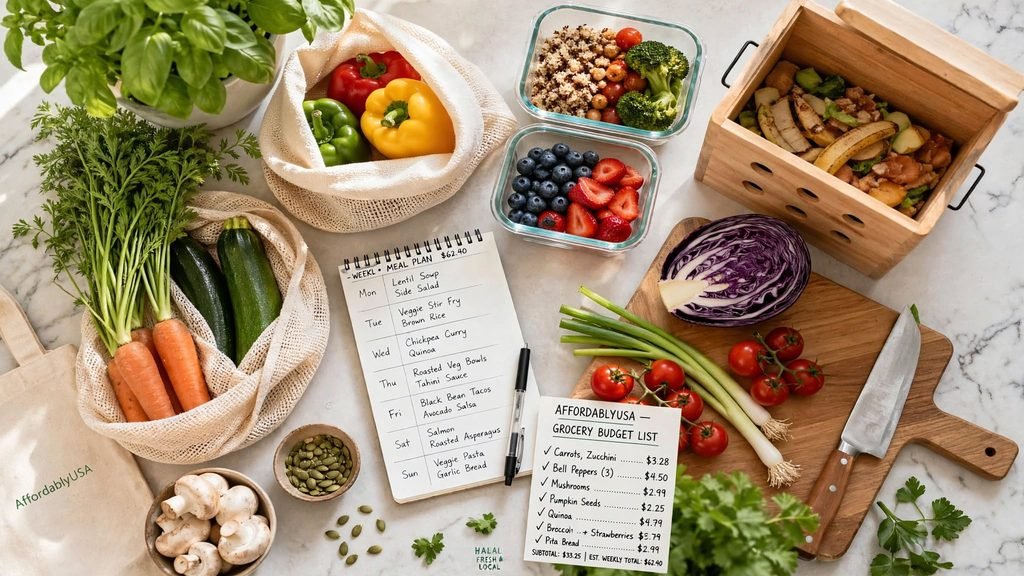
Step 1: Start with actual spending
Use last month’s transactions or track purchases for four weeks if you have no reliable records. A baseline helps you distinguish between a genuine spending problem and a target that was simply set too low.
Step 2: Set a monthly limit
Choose a target that fits your take-home income and other essential expenses. Housing, utilities, transportation, insurance, debt payments, and savings goals all compete for the same available money. Use the Monthly Budget Calculator to see how food spending fits into your broader plan.
Step 3: Plan meals before shopping
Choose meals for the coming week and list the ingredients you need. Start with food already available at home, then select recipes that share ingredients. Cooked chicken, for example, might be used in dinner, a lunch wrap, and a salad.
Step 4: Prepare a shopping list
Organize your list by category, such as produce, dairy, proteins, grains, and pantry items. Check cupboards and the refrigerator first. A list provides structure and helps you recognize when extra purchases are pushing spending beyond your target.
Step 5: Track spending throughout the month
Record grocery purchases after each trip, including small stops for milk, bread, or other essentials. If you budget weekly, remember that an average month is longer than four weeks: a $100 weekly budget equals about $433 per average month (52 weeks divided by 12).
Step 6: Adjust without sacrificing essentials
Compare your actual spending with your target at month-end. If you consistently go over budget, look for patterns. Convenience snacks, duplicate purchases, and wasted ingredients may explain the difference. Address those specific issues rather than making indiscriminate cuts to nutritious foods.
Practical Ways to Save Money on Groceries
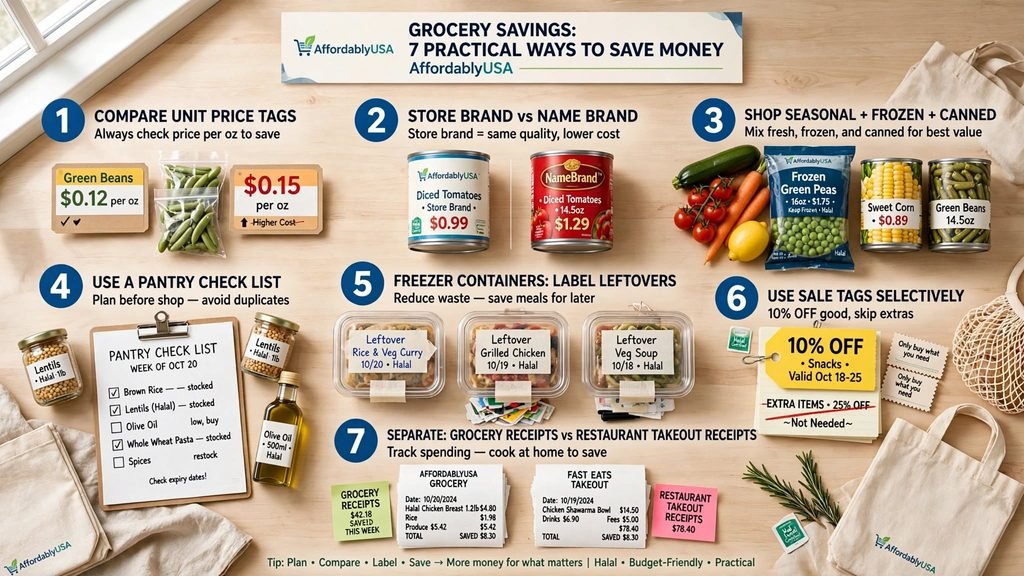
Compare unit prices
Compare the price per ounce or pound instead of relying only on the package price. A larger package is not automatically cheaper, especially when a sale changes the price of a smaller option.
Try store brands where appropriate
Store-brand products may offer good value for everyday items. Compare ingredients, quality, and unit prices to decide whether switching brands makes sense for your household.
Choose seasonal or frozen produce
Seasonal produce can offer good value when readily available. Frozen and canned fruits and vegetables can also be convenient alternatives and may help reduce waste. The USDA’s MyPlate healthy eating resources provide additional ideas for affordable food planning.
Use what you already have
Check the refrigerator, freezer, and pantry before shopping. Use ingredients that need attention first and build meals around foods already purchased. This reduces duplicate purchases and helps prevent food from going unused.
Freeze suitable leftovers
Store leftovers safely in appropriate containers and label them with dates. Freezing suitable portions can make it easier to prepare a meal on a busy day instead of buying additional food. Follow reliable food-safety guidance when storing and reheating leftovers.
Be selective with sales
Discounts are useful when they apply to products you already need. Buying extra items only because they are on sale can increase total spending without improving your budget.
Separate groceries from dining out
Track supermarket purchases separately from restaurant meals and takeout. This makes it easier to see whether grocery spending is increasing or whether the wider food budget is being affected by dining expenses.
Grocery Budget Tools & Helpful Guides
You can also use these free tools on AffordablyUSA to put your plan into practice:
Organize your income, needs, wants, and savings.
Estimate how much to save regularly to reach a target.
Plan food spending based on your household and shopping habits.
For more practical guidance, explore these related articles in the AffordablyUSA Budget & Money-Saving section:
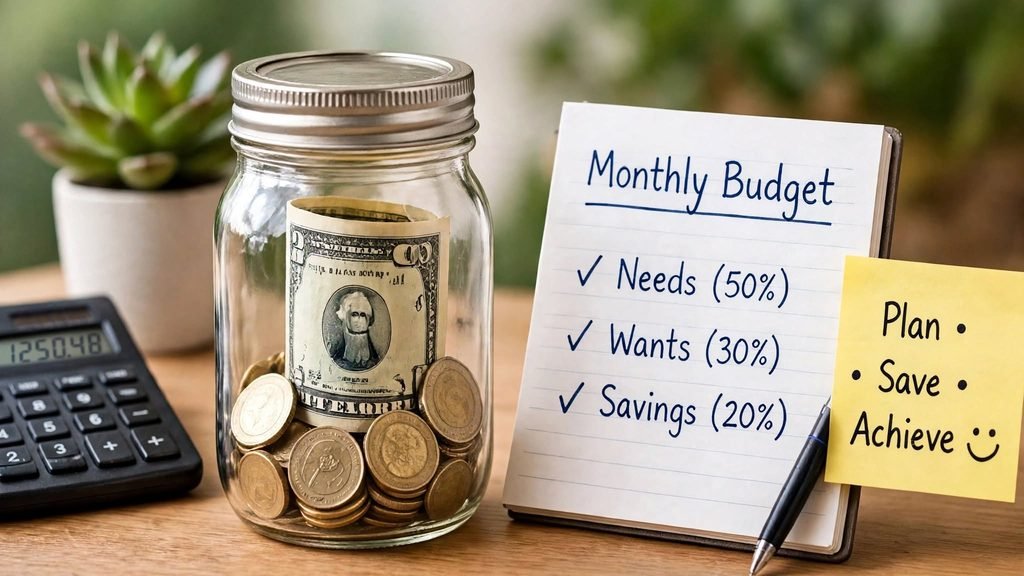

How to Build an Emergency Fund on a Low Income
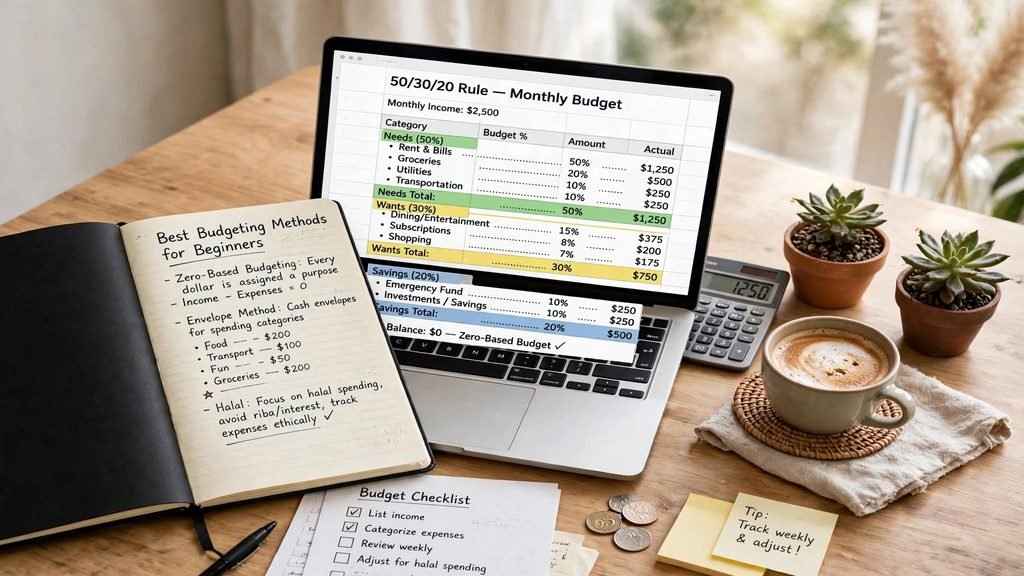
Best Budgeting Methods for Beginners: 50/30/20, Zero-Based, and More

How to Cut Monthly Expenses Without Sacrificing Essentials
Final Thoughts
Your grocery budget should reflect your household’s needs, local food prices, and overall financial situation. National estimates provide context, but your own spending records are often the best starting point for practical decisions.
Track purchases, plan meals, compare prices, and reduce waste where possible. Small changes you can maintain are generally more useful than an unrealistic target that leaves your household short of essential food.
Use the free Grocery Budget Calculator on AffordablyUSA to estimate your grocery spending and make a plan that works for your household.
Frequently Asked Questions
There is no universal amount. Local food prices, dietary needs, shopping habits, and how often you cook at home all affect the budget. Review recent receipts and compare your spending with USDA food-cost estimates to set a realistic target.
Costs depend on the ages and needs of family members, local prices, food preferences, and shopping habits. USDA food plans offer reference estimates, but households should adjust their budgets to their own circumstances.
It may work for some individuals or households, but it may be insufficient for others. Consider local prices, nutritional requirements, household size, and the meals you need to prepare before adopting this limit.
Plan meals, compare unit prices, reduce food waste, use suitable store-brand products, and consider affordable fresh, frozen, or canned ingredients. Focus on value and nutritional needs rather than cutting essential foods simply to reach a lower number.
You can combine them under a broader food category or track them separately. Separate categories often make it easier to understand supermarket spending and identify opportunities to reduce restaurant expenses.
Review spending at least once a month. Revisit your target sooner if household needs, prices, income, or shopping habits change significantly.
No. The calculator estimates expenses from the information you enter. For more useful results, base your inputs on recent receipts and update them when your spending patterns change.