
Last Updated: November 07, 2026
Planning your grocery shopping can save time, reduce unnecessary purchases, and make it easier to prepare meals throughout the week. For households that follow a halal diet, shopping also involves paying attention to ingredients, product information, and halal certification when needed.
The free Halal Grocery List Generator from AffordablyUSA helps you create an organized shopping checklist. Add food items, enter quantities, group products by category, and mark items as purchased while you shop. You can also use the halal-check status as a personal reminder for products that need further verification.
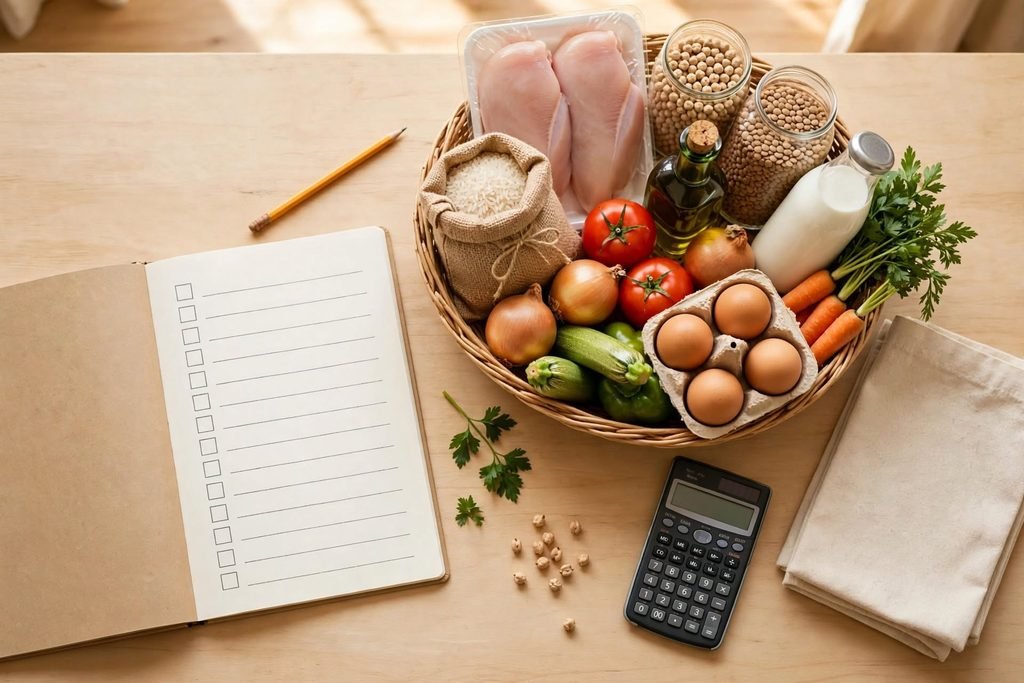
Whether you are planning weekly family meals, preparing a grocery budget, or organizing ingredients for several recipes, this tool can help make your shopping routine more manageable.
Halal Grocery List Generator
Build your shopping list, organize ingredients, and keep track of what you need to buy.
Create Your Shopping List
Add a Grocery Item
Always check product ingredients and certification where needed. The status is a personal reminder, not an automatic halal verification.
My Halal Grocery List
Your shopping checklist
0 of 0 items purchased
What Is a Halal Grocery List Generator?
A halal grocery list generator is a practical tool for preparing and organizing a shopping list around your household’s food needs. It allows you to record the products and ingredients you plan to buy, specify quantities, and arrange items into useful categories.
With the AffordablyUSA tool, you can:
- Add grocery products and recipe ingredients.
- Enter quantities and measurement units.
- Organize items into categories such as meat, vegetables, fruits, dairy, and pantry products.
- Mark items as purchased.
- Filter the list to see items still needed.
- Flag products that require halal verification.
- Copy or print your shopping list.
The tool does not automatically determine whether a product is halal. It helps you organize your shopping and remember which items you need to check.
How to Use the Halal Grocery List Generator
Follow these simple steps:
- Name your shopping list: Use a title such as Weekly Halal Groceries or Family Shopping List.
- Choose a shopping date: This is optional and can help you organize your weekly shopping routine.
- Enter a product: Add an ingredient or grocery item, such as chicken, rice, milk, or apples.
- Set the quantity: Enter how much you need and select the appropriate unit.
- Choose a category: Place the item under meat and poultry, vegetables, fruits, dairy, grains, pantry goods, or another available category.
- Set the halal-check status: Choose whether the item needs verification, has been checked by you, or does not require a halal check.
- Add the item: Continue until your list includes everything you need.
- Track your shopping: Check off products as you put them in your cart.
- Copy or print your list: Keep a copy on your phone or print it before visiting the store.
You can also filter your list to display only items you still need to buy, items already purchased, or products that require verification.
How to Create a Practical Weekly Halal Grocery List
A useful grocery list starts with a meal plan. Instead of writing down random products, decide which meals you want to prepare and identify the ingredients needed for each one.
1. Plan Your Meals First
Think about breakfast, lunch, dinner, and snacks for the coming week. Consider your household size, schedule, food preferences, and available cooking time.
For example, a simple weekly plan might include:
- Chicken and rice.
- Lentil soup.
- Vegetable pasta.
- Homemade sandwiches.
- Grilled fish with vegetables.
- Egg and vegetable breakfasts.
Write down the ingredients for each meal before adding products to your shopping list.
The USDA’s Grocery Shopping Guide recommends checking what you already have, planning meals, organizing needed items, and comparing products and prices. These habits can help you prepare a more focused shopping list.
2. Check Your Refrigerator, Freezer, and Pantry
Before buying anything, review the food you already own. Check opened packages, stored ingredients, and products that should be used soon.
This simple step can help prevent duplicate purchases and reduce food waste. You may discover that you already have enough rice, flour, canned beans, spices, or frozen vegetables for several meals.
3. Organize Products by Grocery Category
Grouping items makes shopping easier because you can find similar products together.
Useful categories include:
- Meat and Poultry: Chicken, beef, lamb, and other suitable meat products.
- Seafood: Fish, shrimp, and other seafood.
- Vegetables: Potatoes, onions, carrots, tomatoes, and leafy greens.
- Fruits: Apples, bananas, oranges, berries, and seasonal fruit.
- Dairy and Eggs: Milk, yogurt, cheese, butter, and eggs.
- Grains and Bakery: Rice, oats, bread, pasta, and flour.
- Pantry and Dry Goods: Beans, lentils, canned foods, oils, and other staples.
- Spices and Seasonings: Salt, pepper, herbs, and cooking spices.
- Frozen Foods: Frozen vegetables, fruit, and suitable prepared foods.
The USDA also provides a printable Grocery List and Grocery Game Plan that groups foods into practical shopping categories.
How to Check Whether Packaged Food Is Halal
A shopping list can remind you to check products, but it cannot replace reviewing the actual packaging and certification information.
Read the Ingredient List
When purchasing packaged food, review the ingredient list rather than relying only on the product name or front label.
Some ingredients may require additional information about their source or manufacturing process. Depending on the product and the certification standard, examples can include gelatin, enzymes, certain emulsifiers, flavorings, and animal-derived ingredients.
The IFANCA halal consumer resources provide information about halal certification and related consumer considerations. If you are unsure about a particular ingredient, consult the manufacturer or a qualified halal certification organization.
Look for Reliable Halal Certification
Some products display a halal certification mark. Check the certifying organization’s name and, where possible, confirm the product through the organization’s official resources.
For example, IFANCA explains its halal certification work and provides information about certified products. In Morocco, the IMANOR halal certification program describes the national halal label and its certification process.
Certification systems and accepted standards can differ between organizations and markets. If you have a specific religious concern, follow the certification guidance you trust or ask a qualified scholar.
Do Not Confuse Nutrition Labels With Halal Certification
Nutrition Facts panels provide information about nutrients and serving sizes. They do not, by themselves, establish whether a product is halal.
The FDA explains how consumers can use packaged-food labels to identify major allergens in its guide, Have Food Allergies? Read the Label. This is useful for understanding food-label information, but allergen disclosure and halal certification serve different purposes.
How a Grocery List Can Help You Manage Your Food Budget
An organized list can help you focus on the products you actually need. It can also make it easier to compare package sizes, prices, and alternatives before purchasing.
Try these practical habits:
- Set a grocery budget before shopping.
- Check your pantry before adding items.
- Compare unit prices when package sizes differ.
- Choose seasonal produce when it suits your meal plan.
- Avoid buying large quantities of food you may not use.
- Plan meals that share ingredients.
- Keep track of products you purchase regularly.
You can also use the AffordablyUSA Recipe Cost Calculator to estimate the cost of ingredients and the cost per serving. If you need to adjust quantities for a different number of people, try the Recipe Scaler Calculator.
Tips for Reducing Food Waste
A grocery list is more useful when it reflects how much food your household can realistically consume.
Start with these ideas:
Buy according to your meal plan. Estimate how much of each ingredient you need instead of purchasing more than necessary.
Use ingredients in multiple meals. For example, vegetables purchased for one recipe may also be used in soup or a salad.
Check storage instructions. Store food according to the product’s packaging and appropriate food-safety guidance.
Use older suitable ingredients first. Organize your refrigerator and pantry so that foods approaching their quality dates are easy to notice.
Plan leftovers. Decide how leftovers will be used before preparing large quantities of food.
For more practical advice, read AffordablyUSA’s guide on How to Reduce Food Waste in Your Kitchen.
Make Halal Meal Planning Easier With AffordablyUSA
Creating a shopping list is only one part of an organized meal-planning routine. You can combine this tool with other AffordablyUSA resources:
- Use the Recipe Scaler Calculator to adjust ingredient quantities when changing the number of servings.
- Try the Recipe Cost Calculator to estimate the cost of ingredients and each serving.
- Read How to Plan Affordable Halal Meals for the Week for practical weekly meal-planning ideas.
- Explore Easy and Affordable Halal Meals to Cook at Home for meal inspiration.
- Learn How to Reduce Food Waste in Your Kitchen to make better use of groceries.
- Read How to Identify Halal Ingredients on US Food Labels for more information about checking packaged products.
Together, these resources can help you organize recipes, estimate food costs, and prepare a more practical grocery plan.
Final Thoughts
A well-organized grocery list can make weekly shopping more focused and help you keep track of the ingredients your household needs. By planning meals, checking your pantry, grouping products, and reviewing packaged-food information, you can build a shopping routine that better fits your budget and dietary requirements.
Use the free AffordablyUSA Halal Grocery List Generator to add products, organize quantities, track purchases, and flag items that need further verification. Remember that the tool is a shopping organizer, not a halal certification service. Always check product information and consult reliable certification sources when necessary.
Frequently Asked Questions
A halal grocery list generator is a tool that helps you organize the food products and ingredients you plan to buy. It can help you group items, enter quantities, track purchases, and remember which products need halal verification.
Yes. The AffordablyUSA Halal Grocery List Generator is a free online tool. You can add products, organize your list, mark purchased items, and copy or print your shopping checklist.
No. The tool does not inspect ingredients, contact manufacturers, or verify halal certificates. Its verification status is a personal reminder that you control. Always check product information and reliable certification sources when necessary.
Start by planning your meals for the week. Review your refrigerator, freezer, and pantry, then list the ingredients you still need. Organize products by category and enter the quantities you expect to purchase.
Read the ingredient list, review relevant product information, and look for a halal certification mark when appropriate. If an ingredient has an unclear source or you have a specific concern, contact the manufacturer or consult a reliable halal certification organization.
Depending on their source and processing, ingredients such as gelatin, enzymes, certain emulsifiers, flavorings, and animal-derived additives may require further investigation. Their names alone may not provide enough information to determine their source.
Yes. You can add groceries for different family members and meals, enter quantities, and organize products into categories. The list can be used for weekly shopping or a larger household shopping trip.
Yes. Select the checkbox next to an item when you purchase it. The tool updates the shopping progress and allows you to filter purchased items separately from products you still need.
Yes. Use the Copy Shopping List button to copy your items and the Print List button to print your checklist. You can keep the copied list in your notes or another document.
A grocery list based on a weekly meal plan helps you purchase quantities you are more likely to use. Checking your pantry before shopping, planning meals around existing ingredients, and using suitable leftovers can also reduce unnecessary purchases.
The Halal Grocery List Generator organizes products and quantities but does not calculate grocery costs. Use the Recipe Cost Calculator to estimate ingredient costs for individual recipes and their cost per serving.
Yes. The calculator is designed with a responsive layout so you can use it on a desktop, tablet, or mobile browser. You can prepare your list before shopping and check off items as you go.